
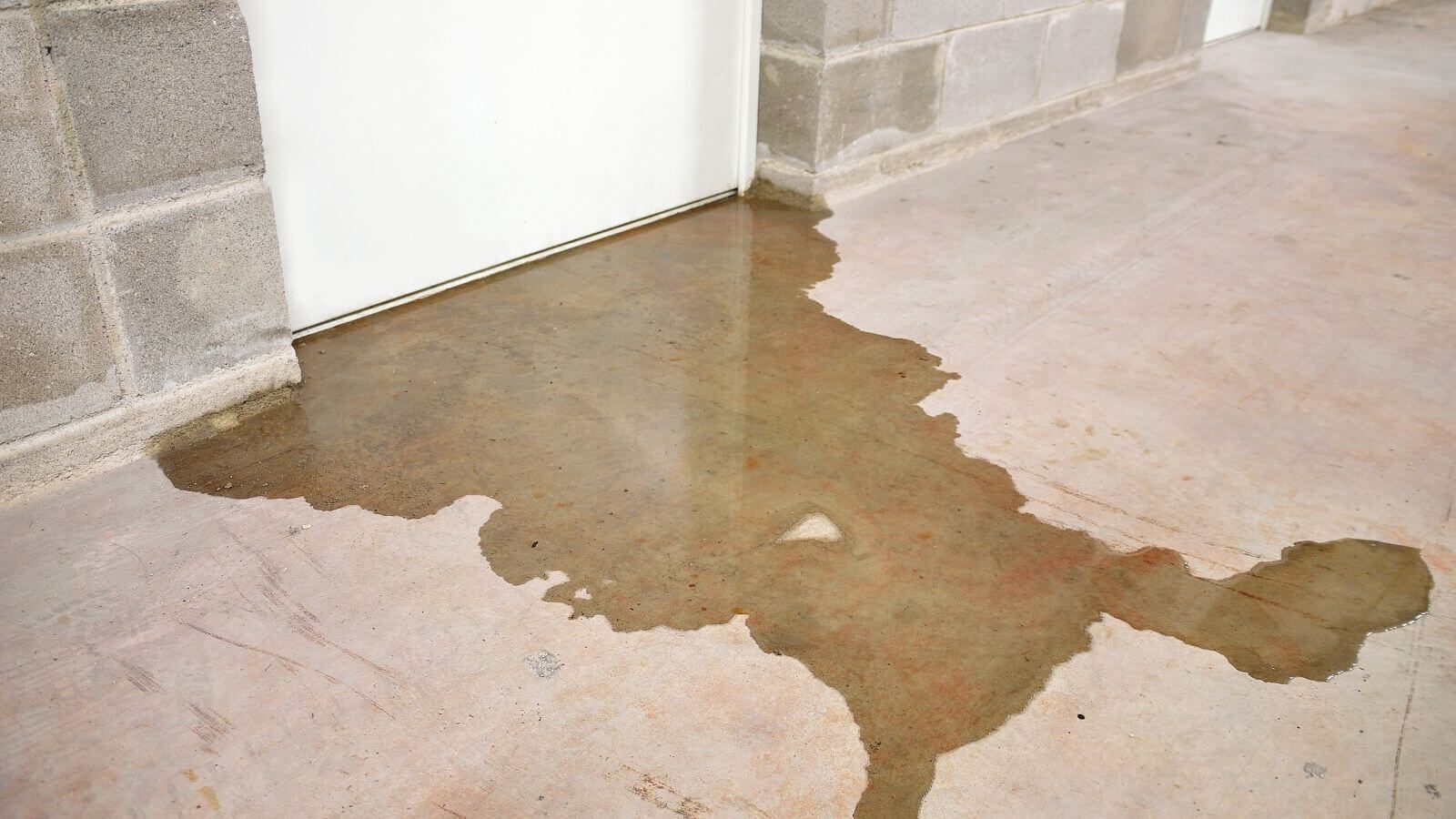
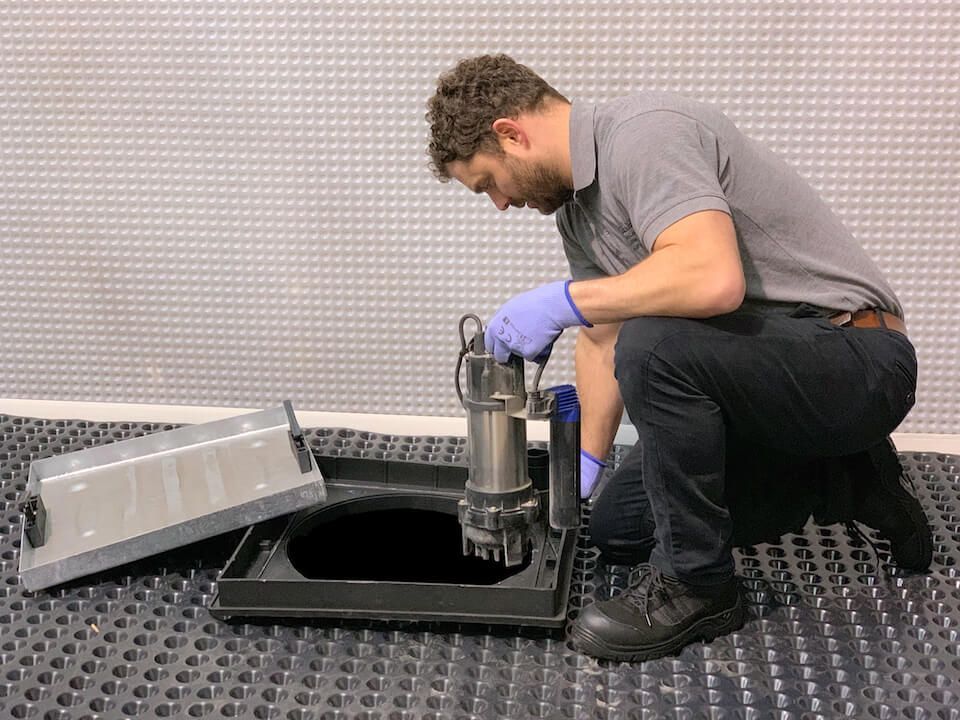

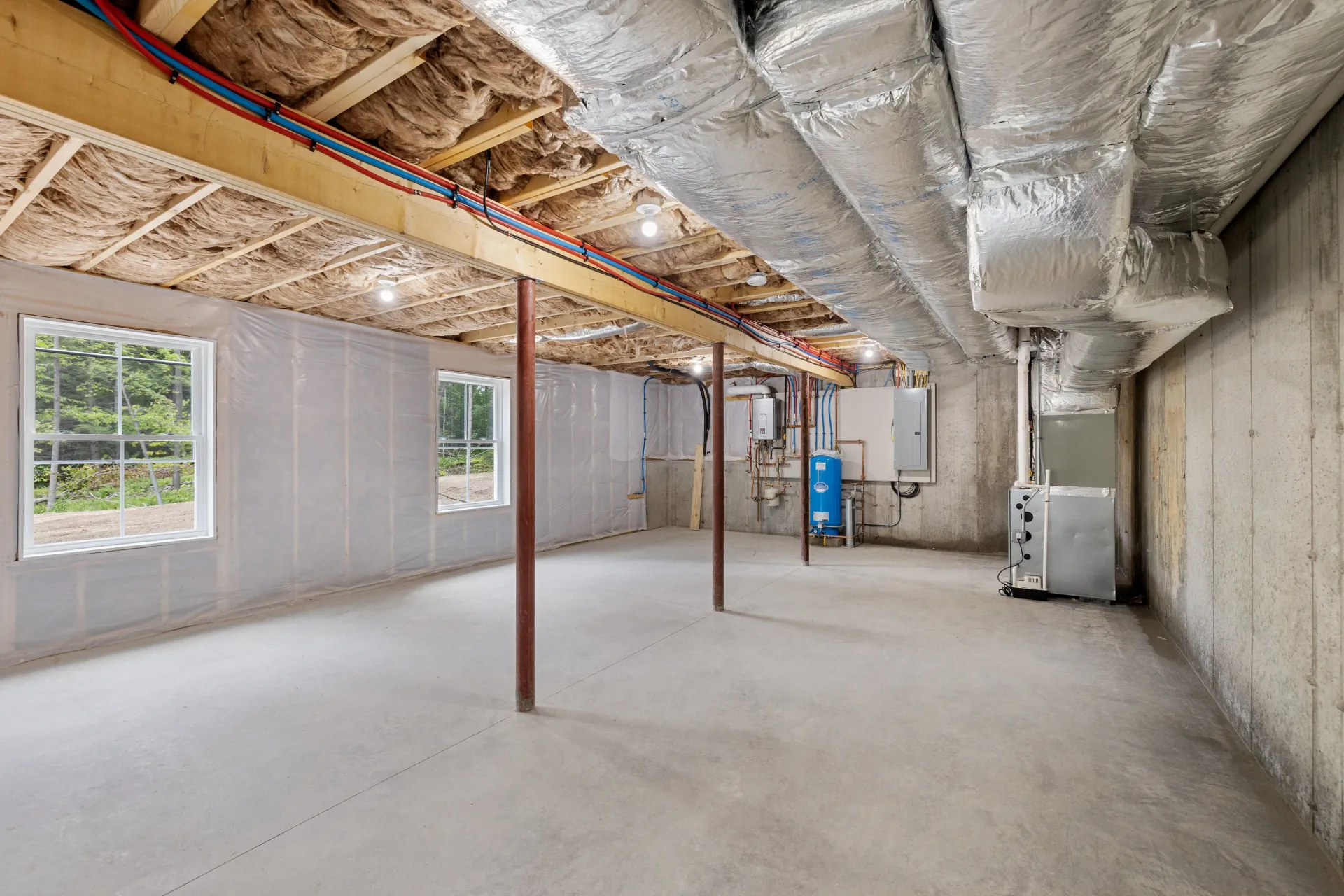
Subject to the whims of weather and time, every basement can fall victim to the relentless moisture invasion. At Now Dry in Fenton, MI, we believe every homeowner deserves a dry, welcoming, and functional basement, no matter the season. Top 4 Reasons for Water in Your Basement: Cracks in the Foundation Walls, Poor Drainage During Heavy Rain, High Water Table, Leaking and Burst Pipes. Tips for Taking Care of Your Basement Waterproofing System: Routine Inspection - Schedule bi-annual inspections t
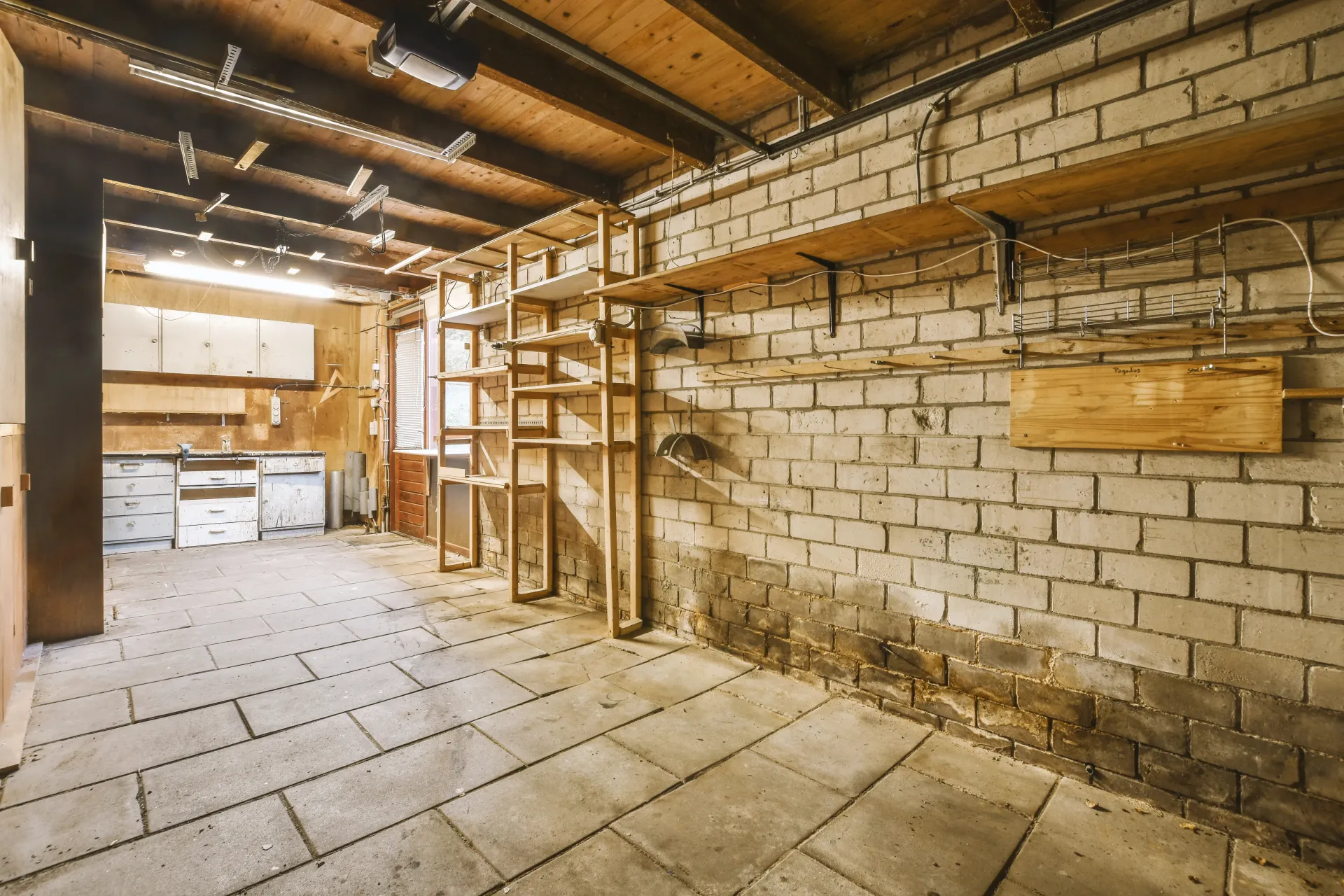
Your basement should not be synonymous with dampness or wetness. In a safe and well-maintained home, a basement should be a dry and habitable extension of your living space. It's important to constantly inspect your basement and if you notice any of the following signs, contact a professional waterproofing team immediately. Water, Dampness, Or Moisture - A well-maintained basement should remain completely dry. Water or moisture within the basement is a glaring red flag that demands immediate att

It's common to view your basement as merely a cobweb-ridden storage area. However, the home improvement landscape has seen basement refinishing emerge in recent years as an excellent method for homeowners to add significant value to their homes. The Value of Basement Refinishing - Remodeling your basement can provide your family with a comfortable new living room, a fully-equipped home theater, or even a vibrant bar for entertaining guests. Basement Waterproofing - Waterproofing your basement is

The foundation of a home is its most crucial aspect. It supports the entire structure, ensuring your living space is safe, stable, and comfortable. However, foundations can experience damage over time due to various factors such as soil shifting, water damage, and poor construction. 1. Safety Concerns - Your family's safety is in jeopardy with a damaged foundation. A damaged foundation can lead to uneven floors, cracked walls, and even a complete structural collapse. 2. Preserve Your Home's Curb
A basement is one of the most important aspects of a home. It provides vital storage space and is the foundation of a safe environment for your family. However, it can lead to expensive repairs if you don't take proper care of your sump pump or waterproofing to keep water out of your basement. Basement waterproofing is an investment in your home's long-term health and safety. When your basement isn't properly waterproofed, water can seep through cracks in your foundation or any other wall openin
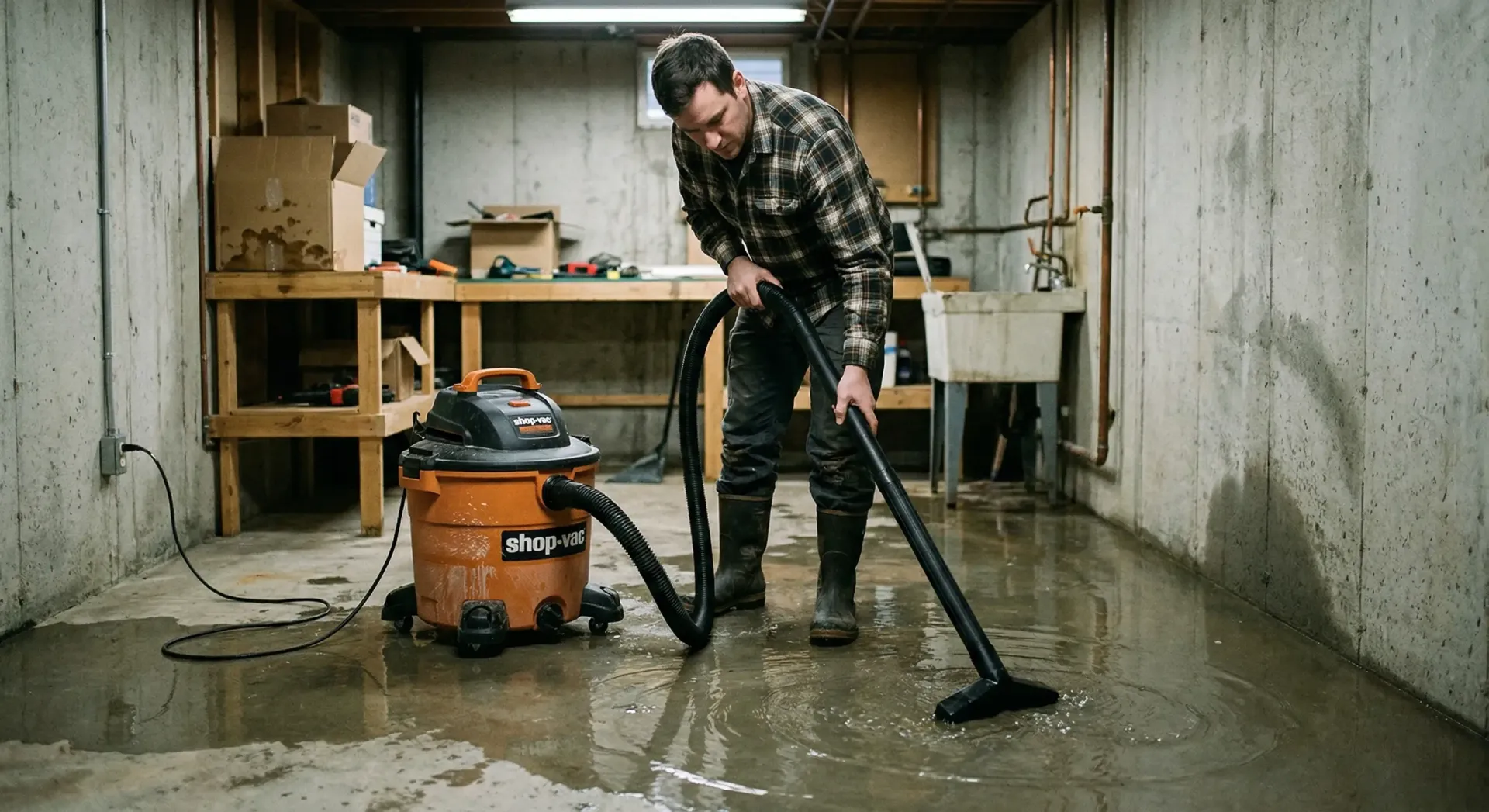
Downpours can quickly flood your basement and create a real mess. Wading through soggy boxes of books, soaking carpeting, floating dog food bowls and sopping sofas, you might feel paralyzed as to what to do. But don't delay. Experts say you should act quickly to mop up water and repair damage caused by clogged drains, faulty sump pumps or backed-up gutters. Mold can start to grow within a couple of days. Remove water. Get water out as soon as possible. A few inches of standing water can usually
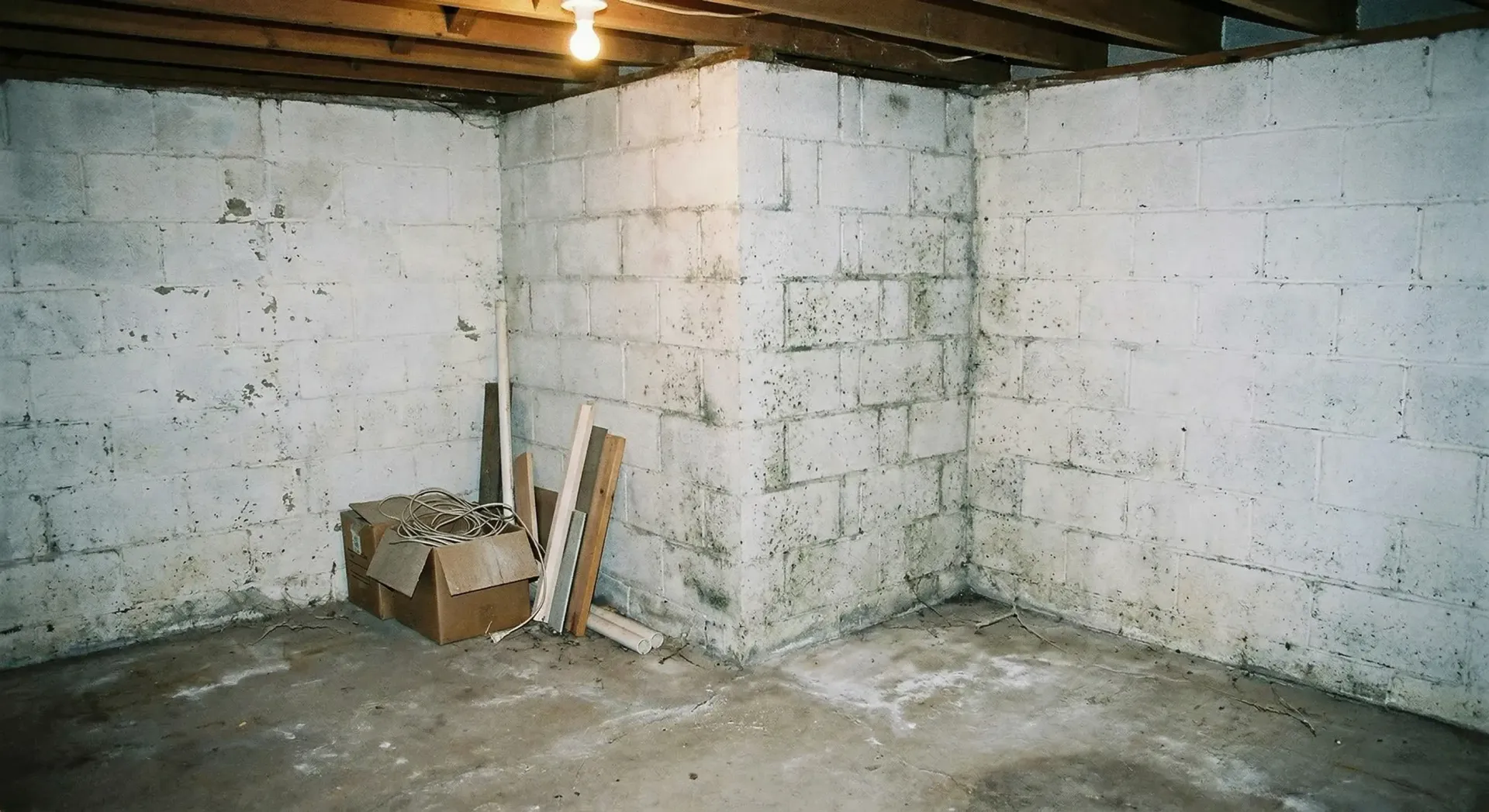
Most basements, by the sheer nature of the fact that they are built into the ground, present the possibility that water can intrude, turning what was once a dry basement into a wet basement. This is because water in the soil can put constant pressure on basement walls. Signs of a Damp or Wet Basement Water stains along walls or floor - this could be caused by something simple such as an overflowing laundry tub or it could be a result of water seeping in through basement windows, the walls or the
When you purchase a home and move into the space, you may notice water damage or other signs of a problem in the basement. Even if the basement does not have signs of damages or problems with water, it can still feel damp and uncomfortable in the space, making it difficult to live in. To fix this issue, many homeowners opt for basement waterproofing. Leaks and Drips - Normal wear and tear in your home may lead to gradual leaks and drips in your pipes. When you do notice the problem, having a wat
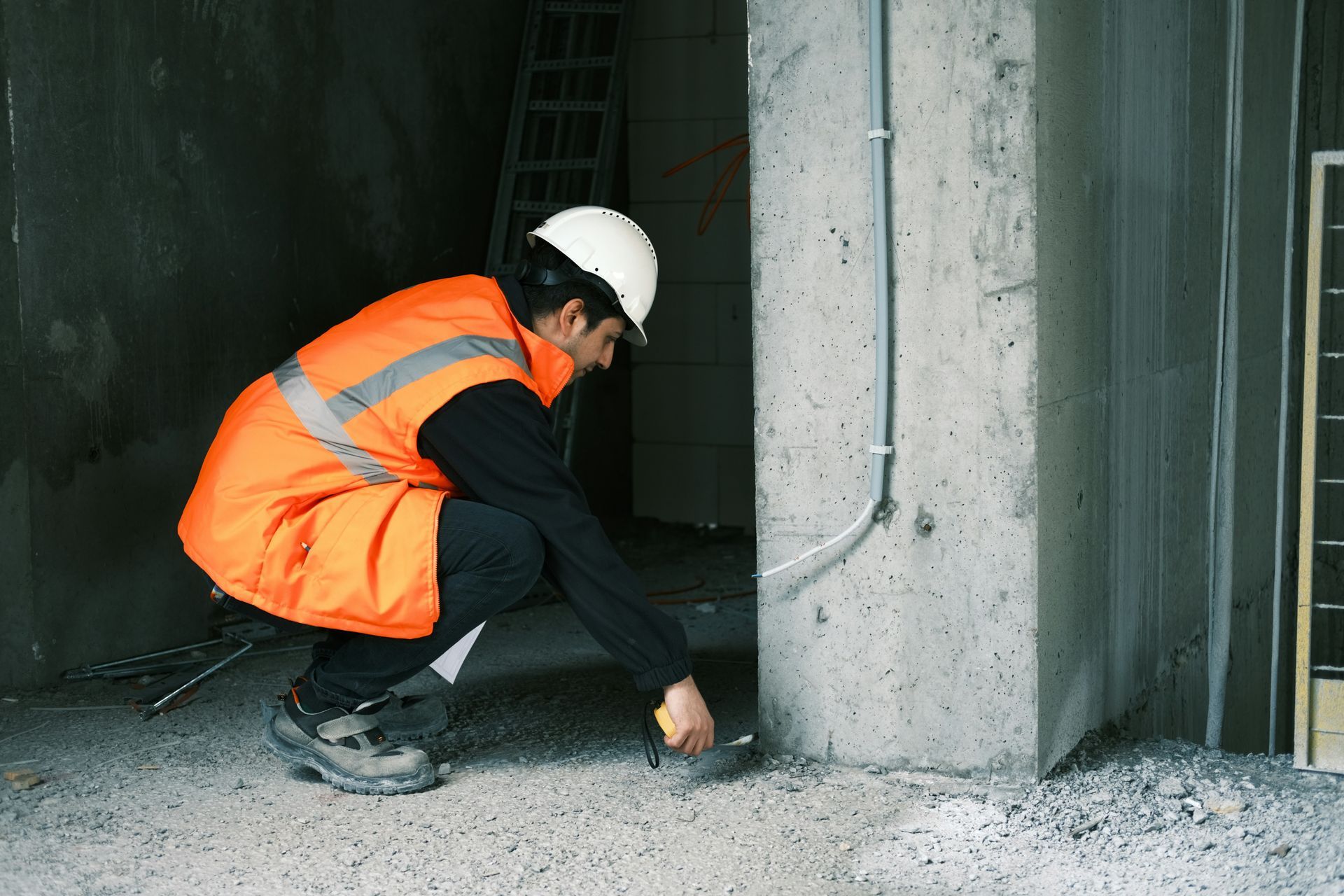
Anybody who has dealt with a flooded basement knows why basement waterproofing is important, but many people know exactly what is involved. The truth is, when it comes to basement waterproofing, there's no 'one-size-fits-all' approach. An experienced basement waterproofing contractor will utilize any number of proven methods depending on the cause of the problem and the source of the water. After a comprehensive inspection, a basement waterproofing expert will likely suggest one or more of the f
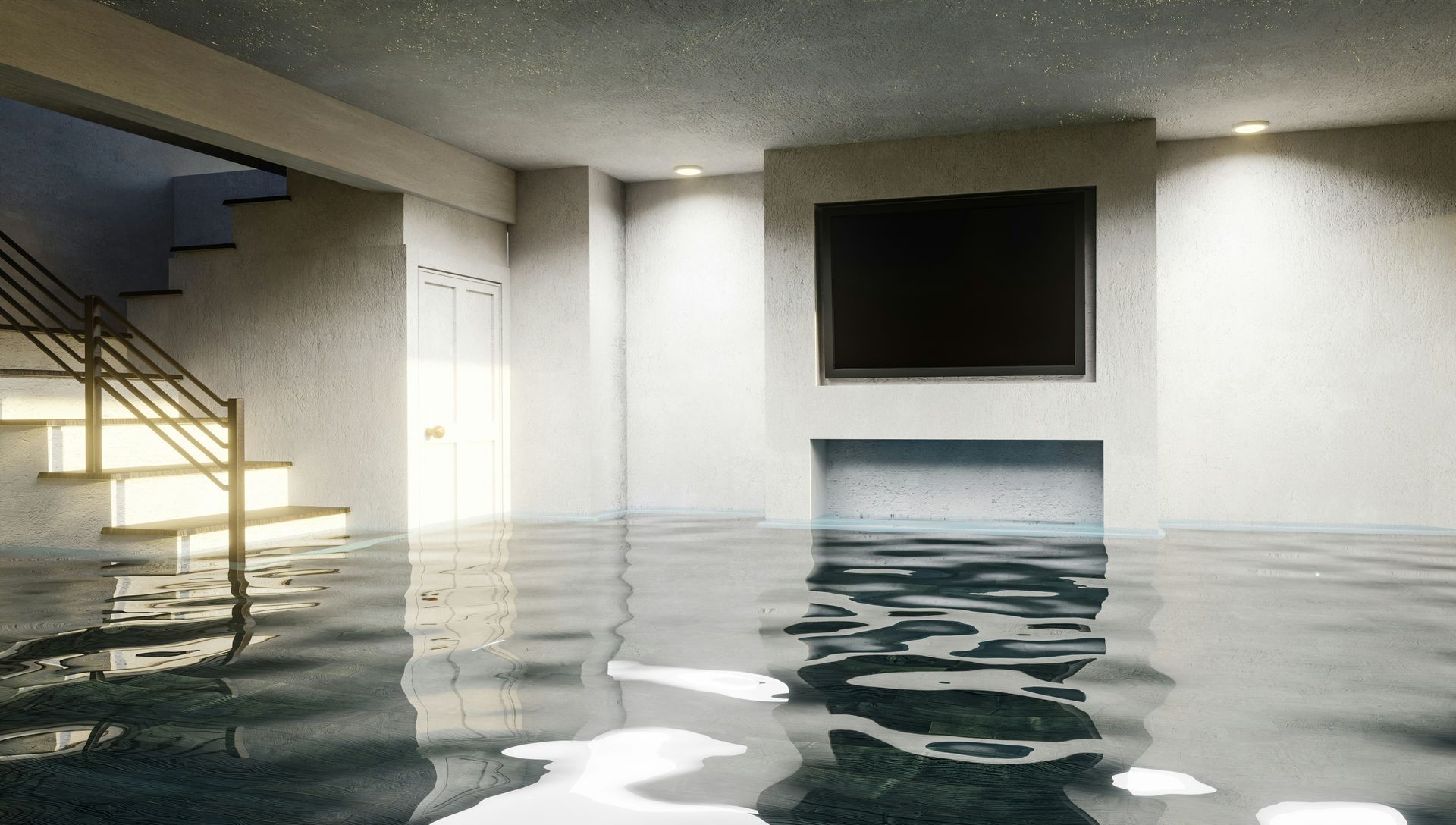
As you can probably imagine, basements are very prone to the intrusion of water. After all, basements are built into the ground. When water intrudes into a basement, the basement goes from a dry basement to a wet basement. Signs of a Damp or Wet Basement The best way to identify whether you have a wet basement is to know and look for the signs. Here are the most common signs of a damp or wet basement: You see water stains along the basement floor or walls. A damp or musty odor - if there is an e